Not everyone has a soft spot for metal, but I do. And honestly, metal has never asked for universal approval anyway. This is a genre that doesn’t just make noise—it makes headlines. The kind that make parents reach for the remote and assume something demonic is happening on MTV. Historically, metal has been very good at making adults uncomfortable, and that’s not a bug, it’s a feature.
Metal bands were never meant to fit in. They weren’t here to be polite or “appropriate.” They existed to kick the door off its hinges and stand there daring everyone to do something about it. Unsurprisingly, the more people tried to cancel or censor these bands, the bigger they got. Metal fans don’t just tolerate chaos—we treat it like a bonus feature. Half the fun, beyond actually listening to the music, is digging through the history and realizing just how unhinged things got behind the scenes.
Black Sabbath
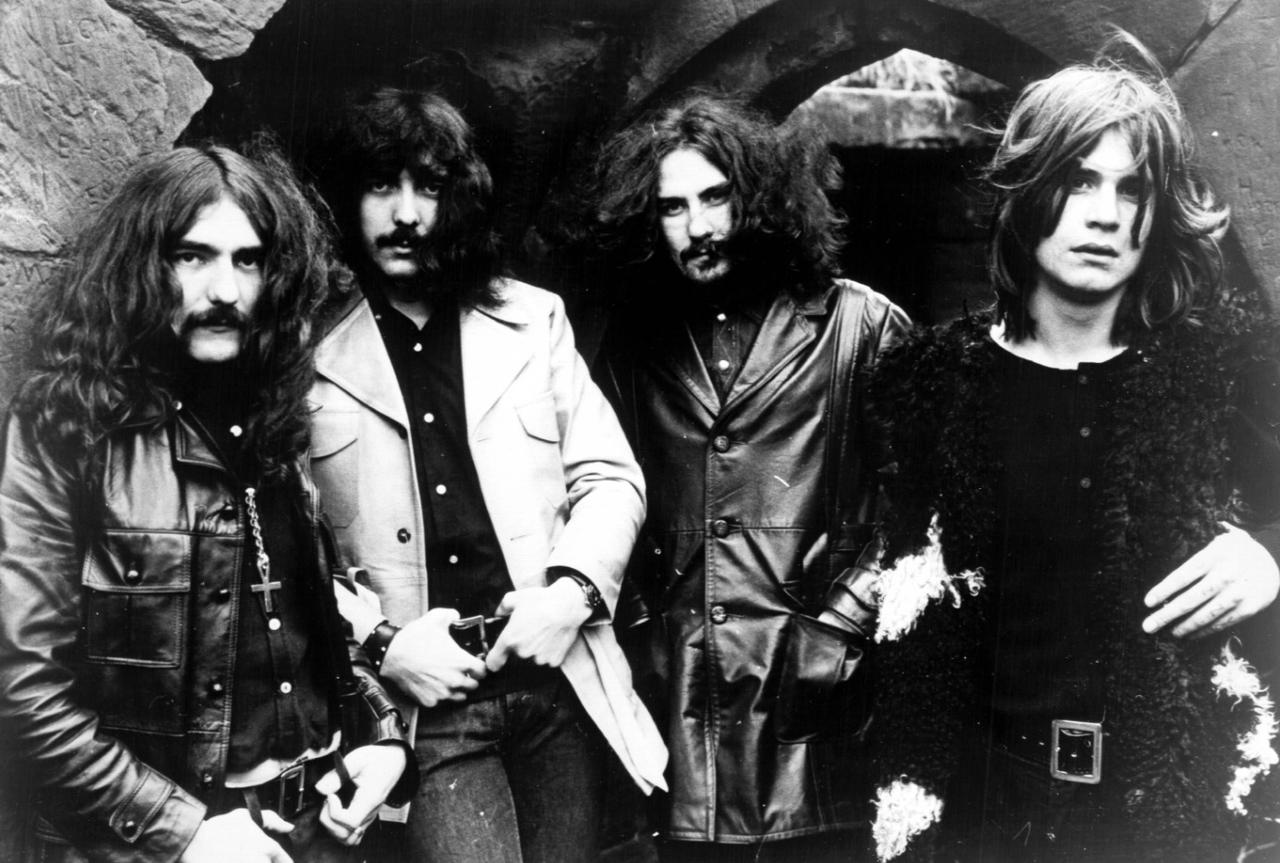
Oh no. My nightmare. Black Sabbath basically invented doom and controversy. I first heard about this from my dad—how their dark riffs and occult imagery had parents in the ’70s fully convinced that listening to Sabbath might summon demons or turn kids into satanists.
Meanwhile, the band was just a group of guys making heavy music and having a good time. The fear surrounding them said more about the era than the music, but that didn’t stop the panic from becoming part of metal’s origin story.
Metallica

Metallica isn’t exactly known for going feral onstage like some bands, but in 2000 they managed to kick off one of the biggest controversies in modern music without smashing a single guitar. When Napster started letting people share music for free, things escalated fast—especially after an unreleased Metallica track leaked online. The band sued Napster, and overnight every teenager with a dial-up connection had very strong feelings about it.
Fans accused them of selling out, while Metallica insisted it was straight-up theft. The media ate it up, and suddenly everyone was debating piracy, artist rights, and whether Lars Ulrich was public enemy number one. The drama was massive at the time, and somehow, it’s still being referenced decades later.
Body Count
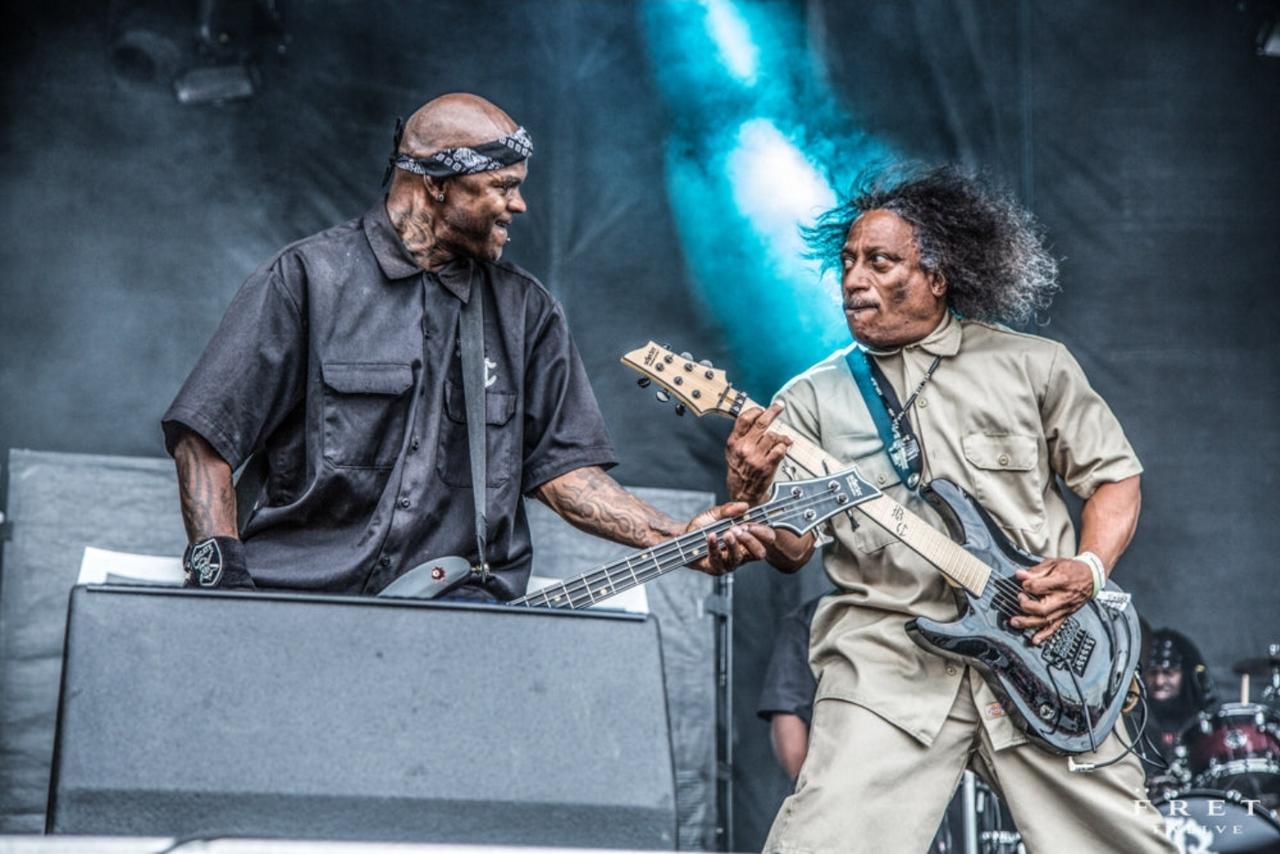
Fans defended it as artistic expression, critics called it dangerous, and Ice-T was stuck in the middle trying to explain himself while metaphorically holding a fire extinguisher to the outrage. It was unavoidable at the time—and if social media existed back then, the outrage cycle would’ve been nonstop tweets, hot takes, and live debates.
Infant Annihilator
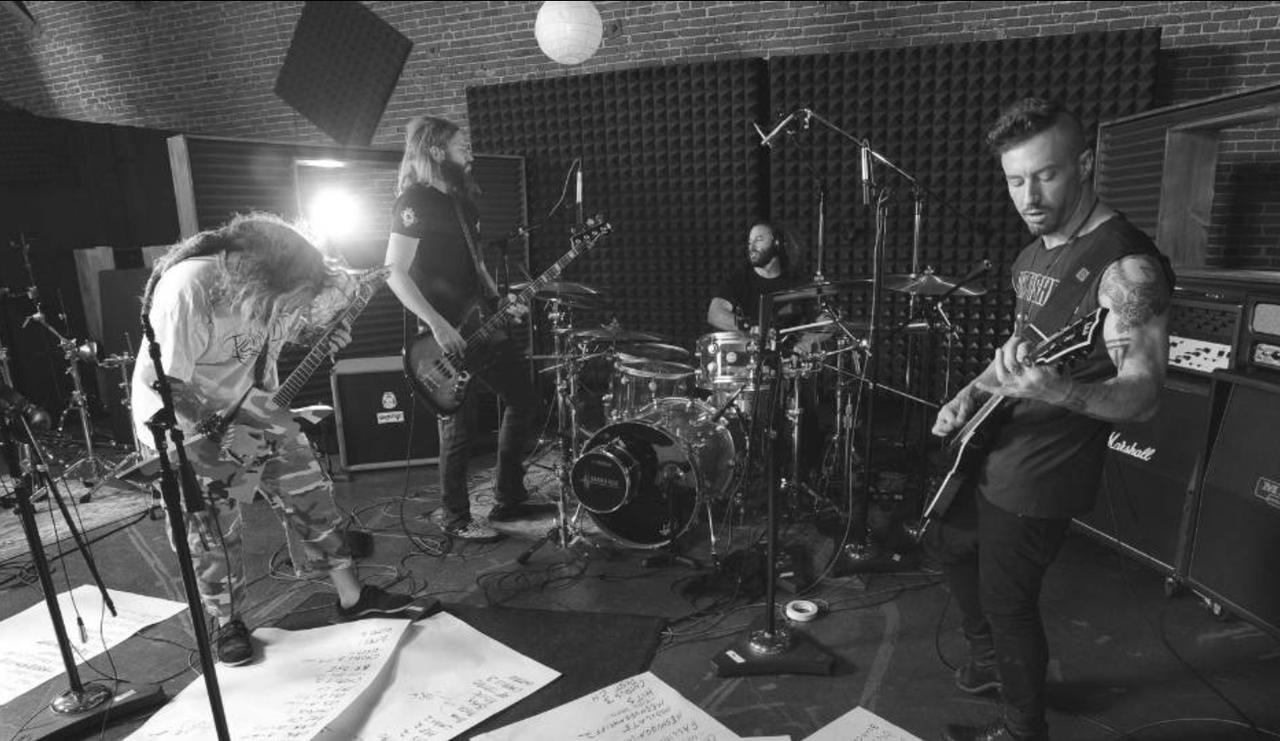
Infant Annihilator seems to operate on a simple question: how far can we push this before people completely lose it? Their lyrics and visuals are intentionally over-the-top, packed with grotesque imagery that makes even seasoned metal fans pause for a second.
They’re unapologetically ridiculous, while critics—and honestly, most normal people—call it disturbing. That tension is kind of the point. Shock isn’t a side effect for them; it’s the entire mission statement.